
anal fissures treatment
 Dr. Pradeep Kushwaha, M.D.
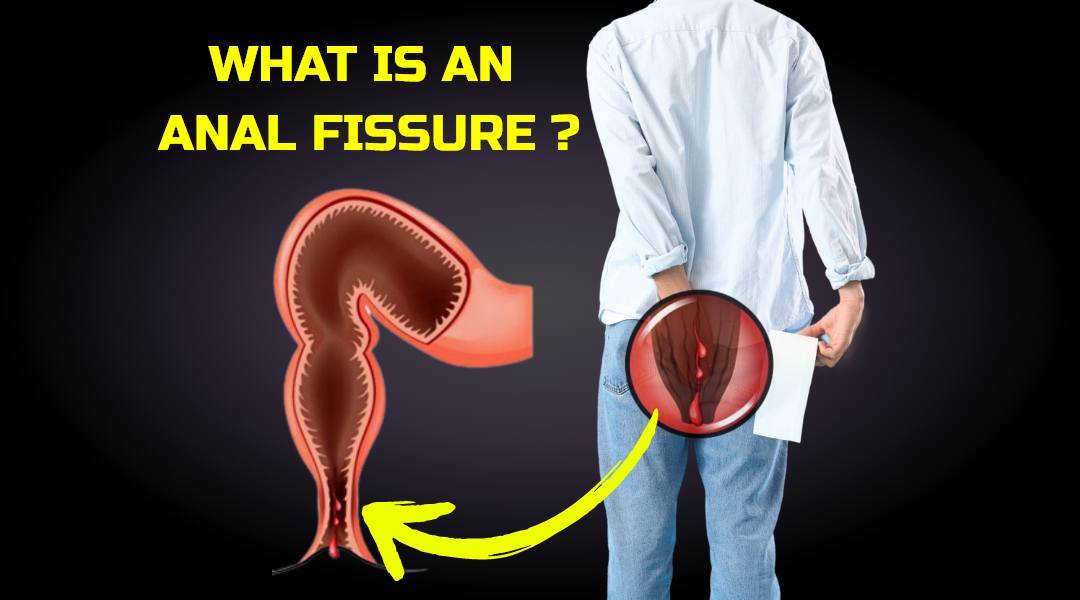
Understanding Anal Fissures: Causes, Symptoms, and Treatment
An anal fissure—also known as fissure-in-ano—is a small tear or crack in the skin around the anus. This tear extends into the lining of the anal canal, causing significant discomfort and potential complications if left untreated.
What is an Anal Fissure?
An anal fissure is essentially a small cut or sore in the delicate skin lining the anus, the opening through which stool is expelled from the body. This tear can extend upward into the anal canal, leading to pain, discomfort, and sometimes bleeding.
The condition often causes pain during and after bowel movements, and the pain can be sharp, lingering for hours. In addition to pain, other common symptoms include a burning sensation, itching, and sometimes visible blood stains on the stool or toilet paper.
Key Facts About Anal Fissures
Commonly Affected Age Group: People of all ages can be affected, though it’s particularly common among young adults and middle-aged individuals.
Gender: Both men and women can develop anal fissures.
Body Part Affected: The anus and anal canal.
Prevalence: In India, approximately 18% of the population was reported to experience anal fissures as of 2021.
Mimicking Conditions
Anal fissures share symptoms with several other conditions, including:
-Piles (Hemorrhoids)
-Crohn’s Disease
-Perianal Abscesses
-Anal Fistulas
-Solitary Rectal Ulcer Syndrome (SRUS)
-Ulcerative Colitis
-Microscopic Colitis
-Health Tests & Imaging
Colonoscopy or Sigmoidoscopy: These may be recommended to rule out other underlying issues like inflammatory bowel diseases.
The most common cause of an anal fissure is trauma to the anus, typically from passing a large, hard, or dry stool. This injury can create a tear in the sensitive skin. Additionally, several factors can increase the likelihood of developing an anal fissure, including:
-Constipation and straining during bowel movements
Causes of Anal Fissures
The most common cause of an anal fissure is trauma to the anus, typically from passing a large, hard, or dry stool. This injury can create a tear in the sensitive skin. Additionally, several factors can increase the likelihood of developing an anal fissure, including:
-Constipation and straining during bowel movements
-Chronic diarrhea
- Pregnancy and childbirth (due to increased pressure on the area)
-Anal intercourse Underlying health conditions like inflammatory bowel disease or colon cancer
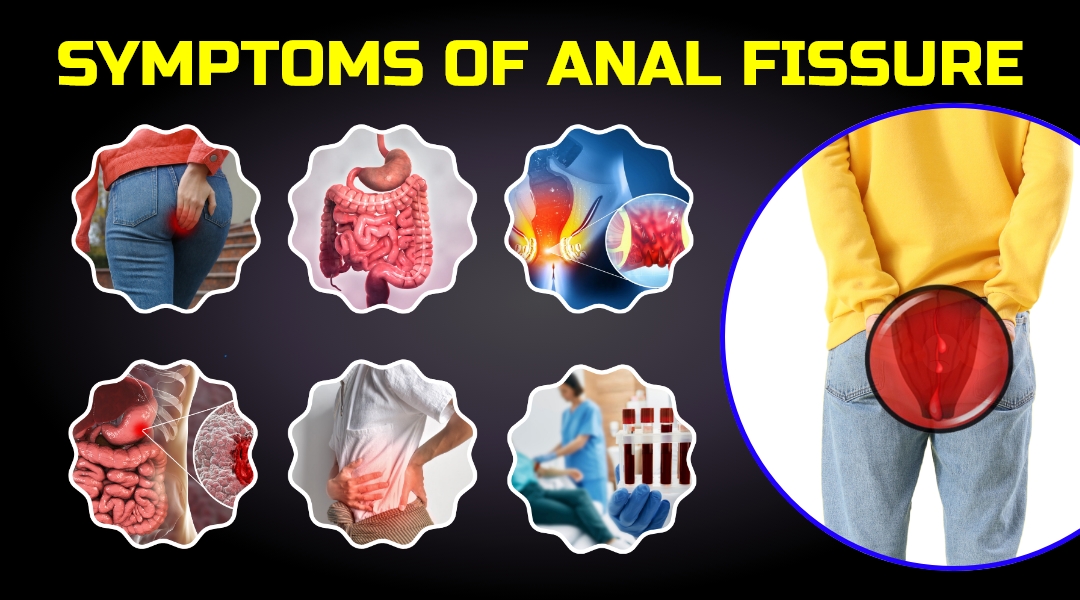
The hallmark symptoms of an anal fissure include:
-Sharp, severe pain during or after bowel movements, which can last from a few minutes to several hours
- Blood stains on the stool or toilet paper following a bowel movement
-A visible crack or tear in the skin around the anus
- A small lump or skin tag near the fissure site
-Burning or itching sensations around the anus
-Painful urination or discomfort when urinating in some cases
-A foul-smelling discharge in some instances
Anal fissures are generally classified into two types based on their cause and severity:
- Primary Fissure: This is the most common type and is usually associated with acute trauma, such as passing large or hard stools. These fissures are fresh tears that heal within about six weeks. They are typically caused by constipation, diarrhea, or anal intercourse.
Secondary Fissure: Also known as chronic fissures, these are deeper tears that last more than eight weeks. These fissures may involve internal or external tissue growth and are often associated with underlying health conditions such as inflammatory bowel disease (IBD), colon cancer, or previous anal surgeries.
While some factors like pregnancy or medical conditions can make anal fissures unavoidable, certain lifestyle changes can help reduce the risk of developing one. To prevent or reduce the recurrence of anal fissures:
Increase fiber intake: Eating a high-fiber diet that includes legumes, vegetables, fruits, and whole grains can help soften stools and reduce strain during bowel movements.
- Pregnancy and childbirth (due to increased pressure on the area)
-Anal intercourse Underlying health conditions like inflammatory bowel disease or colon cancer
Symptoms of an Anal Fissure
The hallmark symptoms of an anal fissure include:
-Sharp, severe pain during or after bowel movements, which can last from a few minutes to several hours
- Blood stains on the stool or toilet paper following a bowel movement
-A visible crack or tear in the skin around the anus
- A small lump or skin tag near the fissure site
-Burning or itching sensations around the anus
-Painful urination or discomfort when urinating in some cases
-A foul-smelling discharge in some instances
Types of Anal Fissures
Anal fissures are generally classified into two types based on their cause and severity:
- Primary Fissure: This is the most common type and is usually associated with acute trauma, such as passing large or hard stools. These fissures are fresh tears that heal within about six weeks. They are typically caused by constipation, diarrhea, or anal intercourse.
Secondary Fissure: Also known as chronic fissures, these are deeper tears that last more than eight weeks. These fissures may involve internal or external tissue growth and are often associated with underlying health conditions such as inflammatory bowel disease (IBD), colon cancer, or previous anal surgeries.
Prevention and Lifestyle Adjustments
While some factors like pregnancy or medical conditions can make anal fissures unavoidable, certain lifestyle changes can help reduce the risk of developing one. To prevent or reduce the recurrence of anal fissures:
Increase fiber intake: Eating a high-fiber diet that includes legumes, vegetables, fruits, and whole grains can help soften stools and reduce strain during bowel movements.
Stay hydrated: Drinking plenty of water ensures that stools remain soft and easier to pass.
Exercise regularly: Physical activity promotes healthy bowel movements and reduces the risk of constipation.
Avoid delaying bowel movements: Respond promptly to the urge to pass stools to prevent strain.
Limit alcohol and caffeine consumption, as these can contribute to dehydration and worsen constipation
इलाज शुरू करने के लिए तैयार हैं?
डॉ. प्रदीप कुशवाहा से परामर्श बुक करें — ऑनलाइन या क्लीनिक पर।

forumComments
अभी तक कोई कमेंट नहीं — पहला आप कीजिए।