
gangrene treatment in hindi
 Dr. Pradeep Kushwaha, M.D.
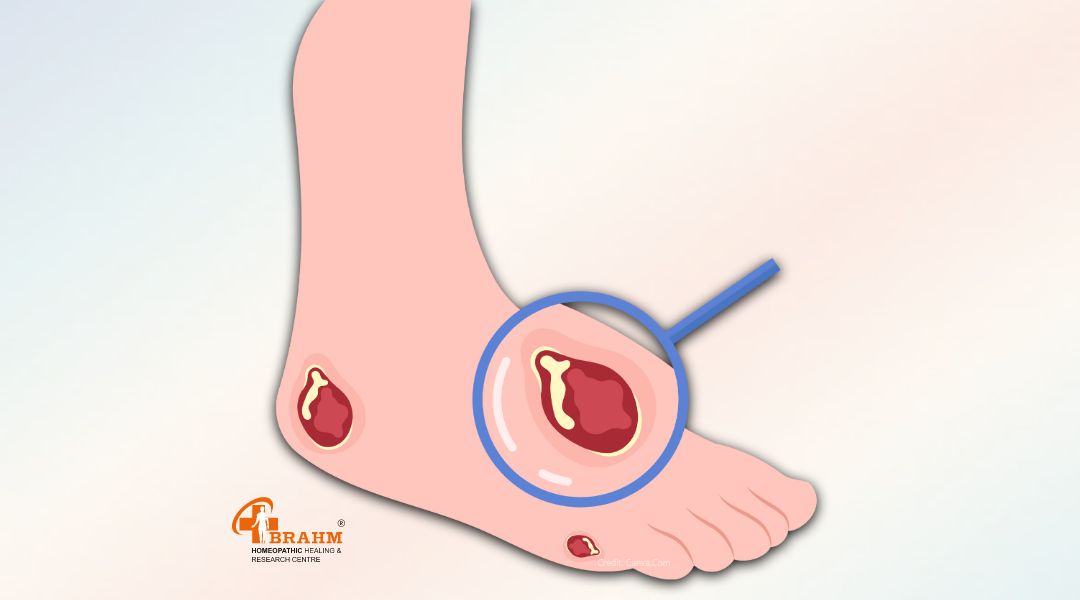
What is Gangrene?
Gangrene is a serious and potentially life-threatening condition that occurs when body tissues, such as skin, muscles, or organs, become necrotic (dead) due to a lack of blood supply. This lack of blood flow deprives the affected tissues of oxygen and essential nutrients, leading to their eventual decay and death.
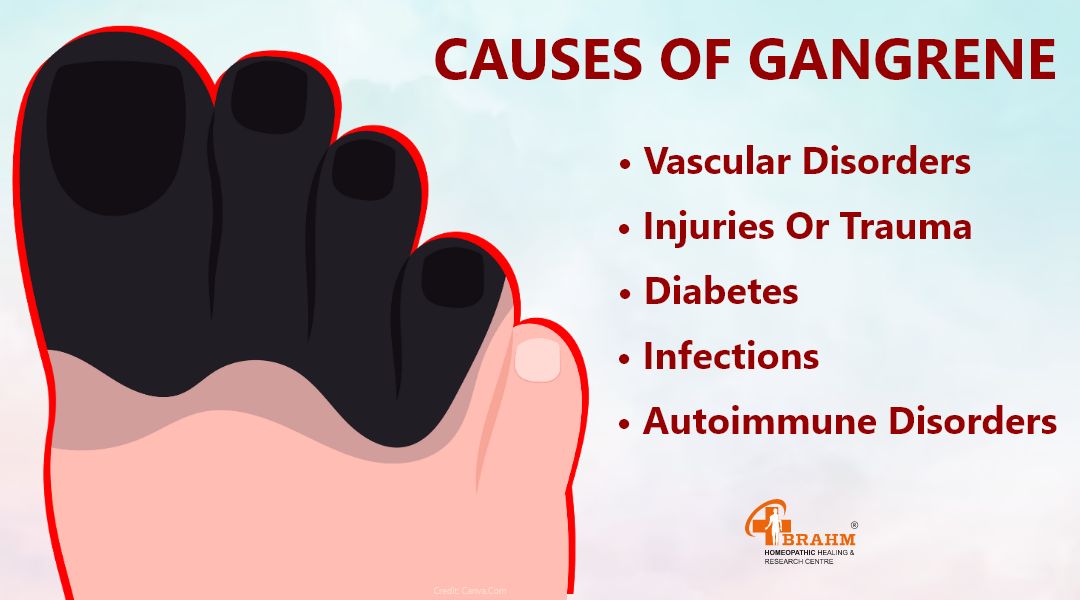
Causes of Gangrene
-Gangrene Development Factors • Vascular disorders: Conditions restricting blood flow, like peripheral artery disease, atherosclerosis, or deep vein thrombosis. • Injuries or trauma: Severe injuries, burns, or frostbite damage blood vessels and disrupt blood flow. • Diabetes: Poorly controlled diabetes increases risk of gangrene due to damage to blood vessels and nerves. • Infections: Bacterial or fungal infections spread and cause tissue death, leading to gangrene. • Autoimmune disorders: Conditions like Raynaud's phenomenon or Burger's disease increase gangrene risk
.
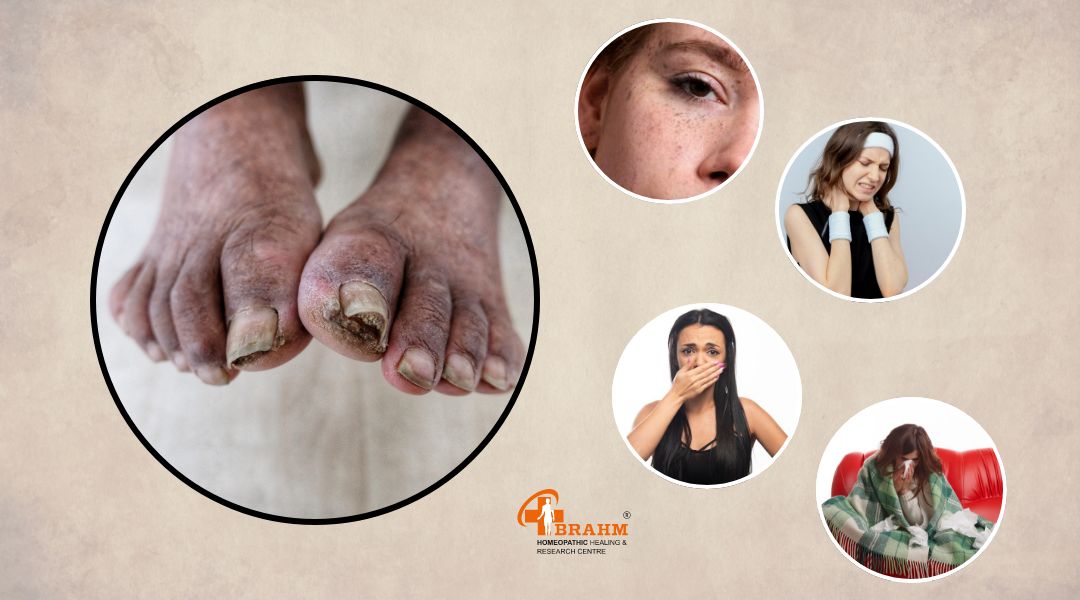
Symptoms of Gangrene
-Gangrene Symptoms Overview • Discolored skin: Symptoms may appear red, blue, or black, indicating tissue death. • Numbness or loss of sensation: As tissues die, the area may become numb or lose sensation. • Foul odor: Decaying tissue often emits an unpleasant, foul odor. • Fever and general illness: In severe cases, individuals may experience fever, nausea, and general illness. • Blisters or ulcers: Blisters or open sores may develop as tissue deteriorates.

Diagnosis of Gangrene
-Gangrene Diagnosis Process
• Physical Examination: Visual inspection of affected area for tissue damage, discoloration, and lack of blood flow. • Imaging Tests: Use of X-rays, CT scans, or MRI scans to assess tissue damage and identify underlying cause. • Blood Tests: Check for infections, blood clotting disorders, or other conditions contributing to gangrene. • Biopsy: Laboratory analysis of tissue sample to confirm gangrene presence and identify causative agent.
Types of Gangrene
-Gangrene Types and Causes
• Dry Gangrene: Caused by lack of blood supply, often due to vascular disorders or diabetes. • Wet Gangrene: Caused by bacterial infections, resulting in moist, foul-smelling, and rapidly progressing tissue death. • Gas Gangrene: Severe form caused by specific bacteria producing gas, leading to tissue death and potential life-threatening complications. • Internal Gangrene: Occurs when internal organs lack blood supply, causing tissue death.
Adverse Effects of Gangrene
Gangrene: Severe Consequences and Treatment • Sepsis: Potentially fatal condition due to infection spread to bloodstream. • Amputation: In severe cases, limb or body part amputation may be necessary to prevent spread. • Organ Failure: Potential death if gangrene affects internal organs. • Disability: Extensive tissue damage can cause permanent disability or loss of function.

Diet in Gangrene
-Gangrene Diet Overview
• Protein-rich foods: Essential for tissue repair and healing. • Vitamin C and zinc: Crucial for wound healing and immune system support. • Antioxidant-rich foods: Protect against oxidative stress and inflammation. • Hydration: Supports overall health and promotes healing. • Dietary recommendations should be tailored to individual needs and underlying medical conditions. • Severe gangrene may require medical intervention like antibiotics, surgical debridement, or amputation.
इलाज शुरू करने के लिए तैयार हैं?
डॉ. प्रदीप कुशवाहा से परामर्श बुक करें — ऑनलाइन या क्लीनिक पर।

forumComments
अभी तक कोई कमेंट नहीं — पहला आप कीजिए।