
migraine treatment
 Dr. Pradeep Kushwaha, M.D.
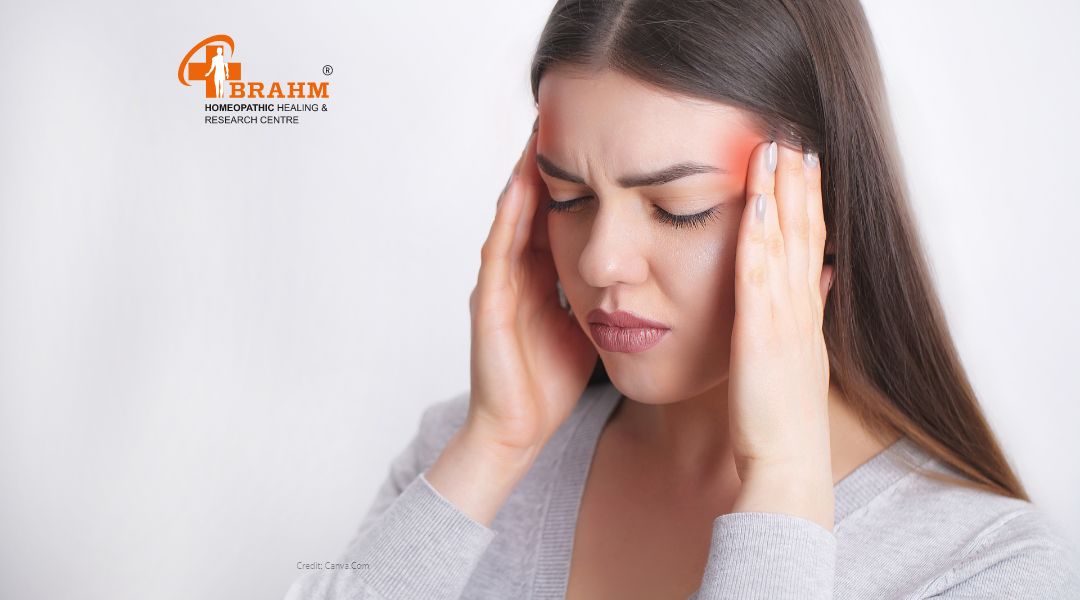
What is Migraine?
Migraine is a severe, recurring headache disorder characterized by intense, throbbing pain, often localized to one side of the head. It is a neurological condition that involves abnormal brain activity and dysfunction in certain neurotransmitters and blood vessels. Migraine attacks can be debilitating and can last for several hours or even days.

Causes of Migraine
• Genetics: Strong genetic component, family history of migraines increases risk.
•Hormonal changes: Fluctuations in estrogen levels, especially during menstrual cycles, trigger migraines.
• Environmental factors: Stress, lack of sleep, weather changes, exposure to bright lights or strong smells contribute to migraine attacks.
• Dietary triggers: Aged cheeses, chocolate, alcohol, and processed meats linked to migraine attacks.
• Severe, throbbing headache: Localized to one side of the head, intensified by physical activity.
• Environmental factors: Stress, lack of sleep, weather changes, exposure to bright lights or strong smells contribute to migraine attacks.
• Dietary triggers: Aged cheeses, chocolate, alcohol, and processed meats linked to migraine attacks.
Symptoms of Migraine
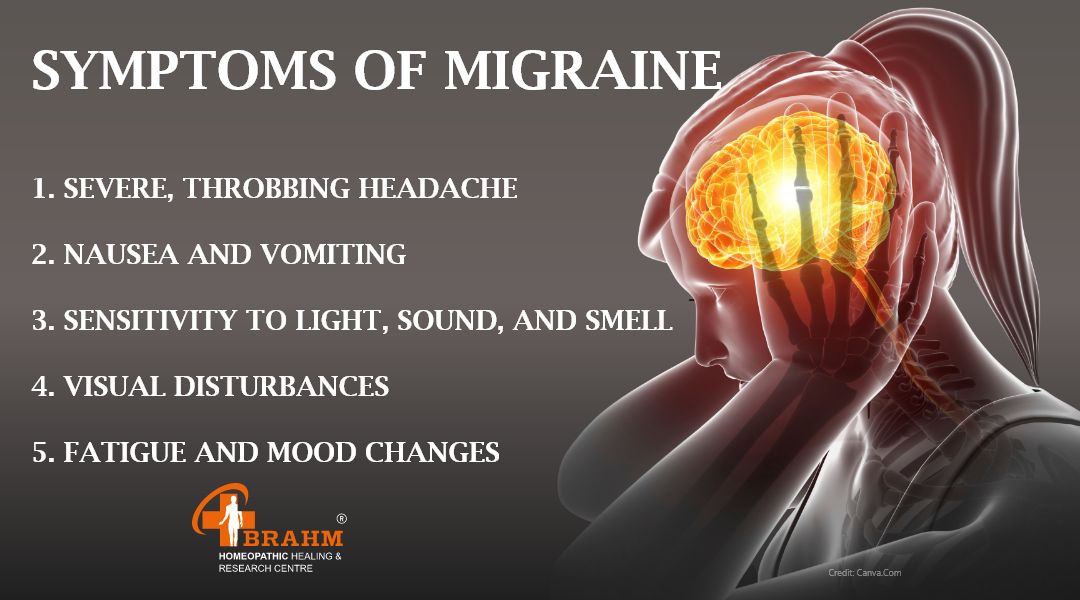
• Severe, throbbing headache: Localized to one side of the head, intensified by physical activity.
• Nausea and vomiting: Common during an attack.
• Sensitivity to light, sound, and smell: Bright lights, loud noises, strong smells can exacerbate pain.
• Visual disturbances: Some experience auras before an attack.
• Fatigue and mood changes: Migraines can cause fatigue, irritability, and mood changes.

• Comprehensive evaluation including medical history, physical examination, and neurological tests
• Sensitivity to light, sound, and smell: Bright lights, loud noises, strong smells can exacerbate pain.
• Visual disturbances: Some experience auras before an attack.
• Fatigue and mood changes: Migraines can cause fatigue, irritability, and mood changes.
Diagnosis of Migraine
• Comprehensive evaluation including medical history, physical examination, and neurological tests
.
• Exams to rule out underlying conditions.
• Use of CT or MRI scans to assess brain function.
• Migraine without aura: Common, headache attacks without visual or sensory disturbances.
• Migraine with aura: Involves visual, sensory, or speech disturbances preceding the headache.
• Chronic migraine: Migraine attacks on 15+ days per month for at least three months.
• Menstrual migraine: Migraines related to a woman's menstrual cycle, often due to hormonal fluctuations.
• Reduced productivity and absenteeism due to migraine attacks.
• Increased risk of depression and anxiety due to chronic migraines.
• Medication overuse headache, worsening migraine attacks frequency and severity.
• Disruption of personal and social relationships due to unpredictable nature of migraines.

Migraine Management Tips
• Identify and avoid trigger foods: Aged cheeses, chocolate, processed meats, and preservatives/acid sweeteners.
• Stay hydrated: Drinking plenty of water can prevent or worsen migraine attacks.
• Limit caffeine intake: Moderate amounts can relieve migraine pain.
• Increase magnesium-rich foods: Leafy greens, nuts, and whole grains can help with magnesium deficiency.
• Consult a healthcare professional before starting any supplement regimen.
• Develop a comprehensive migraine management plan with medication, lifestyle modifications, and preventive strategies.
• Use of CT or MRI scans to assess brain function.
Types of Migraine
• Migraine without aura: Common, headache attacks without visual or sensory disturbances.
• Migraine with aura: Involves visual, sensory, or speech disturbances preceding the headache.
• Chronic migraine: Migraine attacks on 15+ days per month for at least three months.
• Menstrual migraine: Migraines related to a woman's menstrual cycle, often due to hormonal fluctuations.
Adverse Effects of Migraine
• Reduced productivity and absenteeism due to migraine attacks.
• Increased risk of depression and anxiety due to chronic migraines.
• Medication overuse headache, worsening migraine attacks frequency and severity.
• Disruption of personal and social relationships due to unpredictable nature of migraines.
Diet in Migraine
Migraine Management Tips
• Identify and avoid trigger foods: Aged cheeses, chocolate, processed meats, and preservatives/acid sweeteners.
• Stay hydrated: Drinking plenty of water can prevent or worsen migraine attacks.
• Limit caffeine intake: Moderate amounts can relieve migraine pain.
• Increase magnesium-rich foods: Leafy greens, nuts, and whole grains can help with magnesium deficiency.
• Consult a healthcare professional before starting any supplement regimen.
• Develop a comprehensive migraine management plan with medication, lifestyle modifications, and preventive strategies.
इलाज शुरू करने के लिए तैयार हैं?
डॉ. प्रदीप कुशवाहा से परामर्श बुक करें — ऑनलाइन या क्लीनिक पर।

forumComments
अभी तक कोई कमेंट नहीं — पहला आप कीजिए।