
Ovarian Cysts
 Dr. Pradeep Kushwaha, M.D.
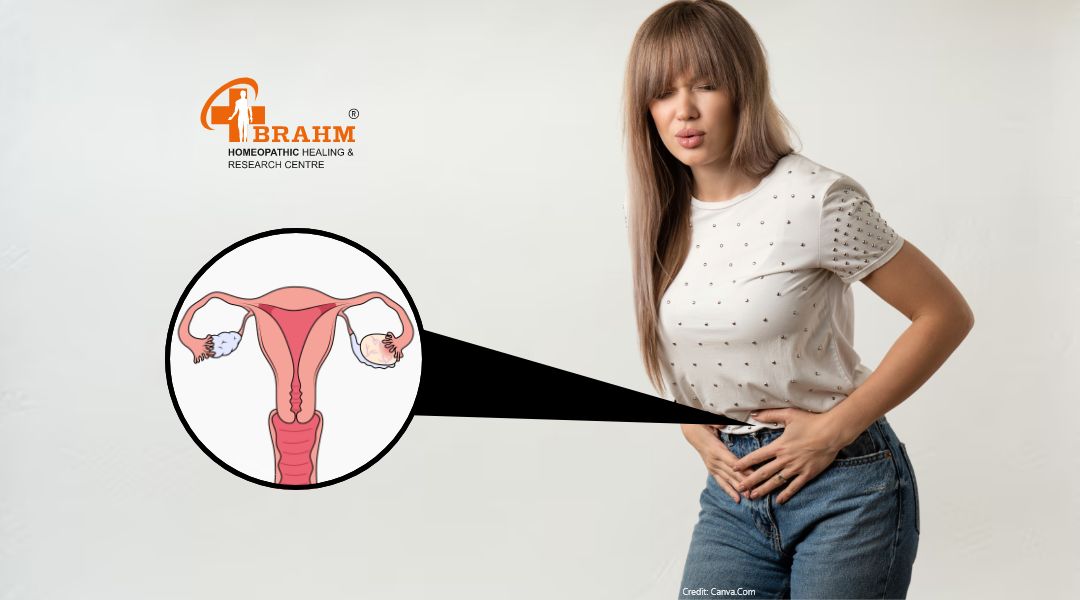
What is an Ovarian Cyst?
An ovarian cyst is a fluid-filled sac that develops on or within an ovary. Ovaries are the female reproductive organs that produce eggs (ova) and hormones like estrogen and progesterone.
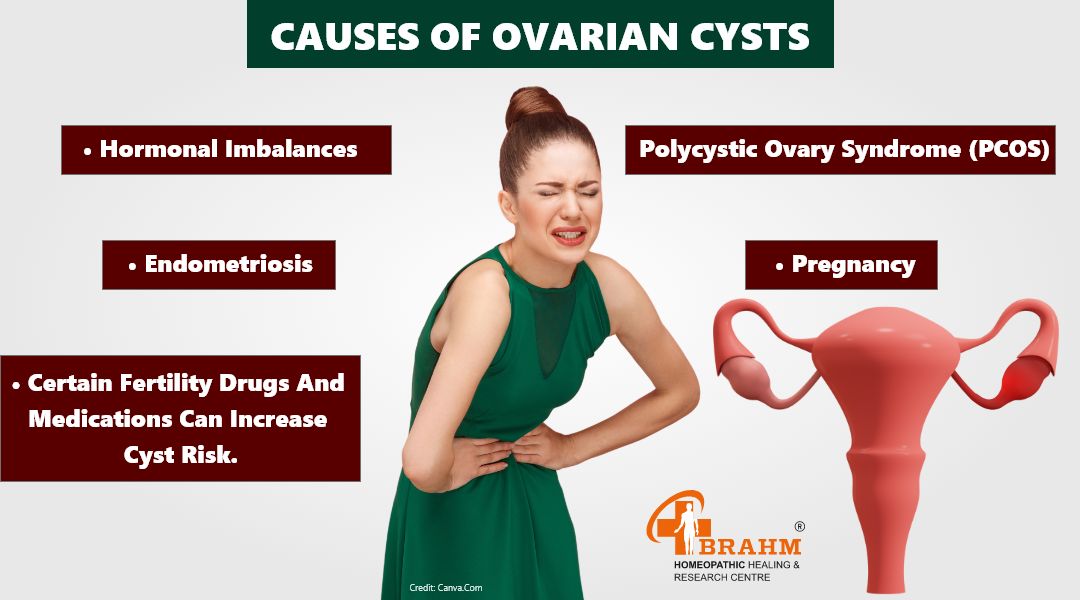
Causes of Ovarian Cysts:
• Hormonal imbalances: Fluctuations in hormone levels during menstruation can lead to cyst formation.
• Polycystic ovary syndrome (PCOS): A hormonal disorder can result in multiple small cysts.
• Endometriosis: A condition where endometrial tissue grows outside the uterus, potentially leading to cyst formation.
• Pregnancy: Hormonal changes during pregnancy can cause cyst development.
• Certain fertility drugs and medications can increase cyst risk.
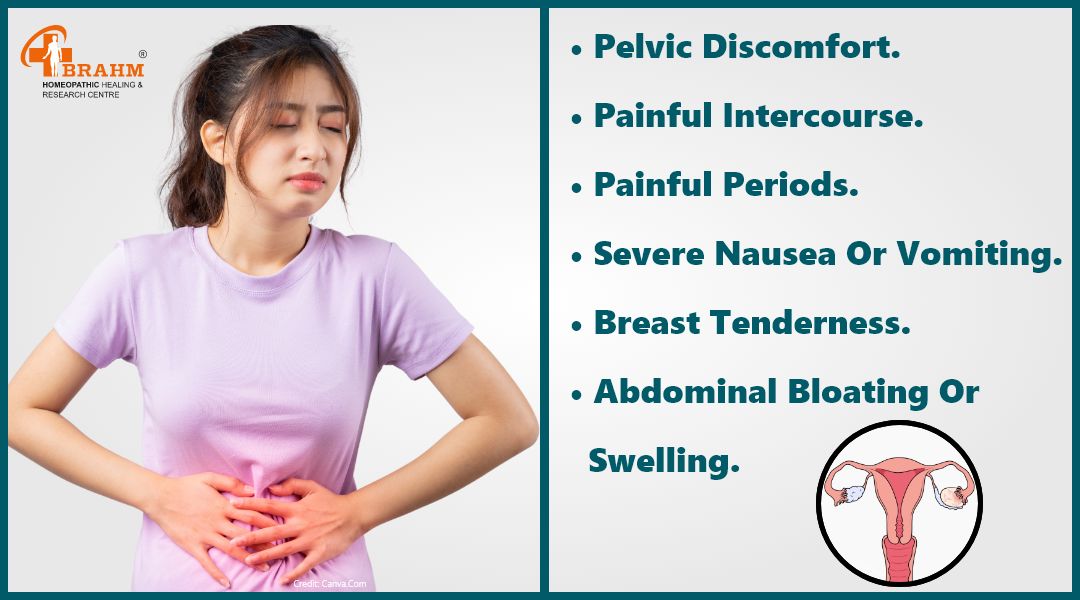
Symptoms of Ovarian Cysts:
• Pelvic discomfort.
• Abdominal bloating or swelling.
• Painful intercourse.
• Painful periods.
• Severe nausea or vomiting.
• Breast tenderness.
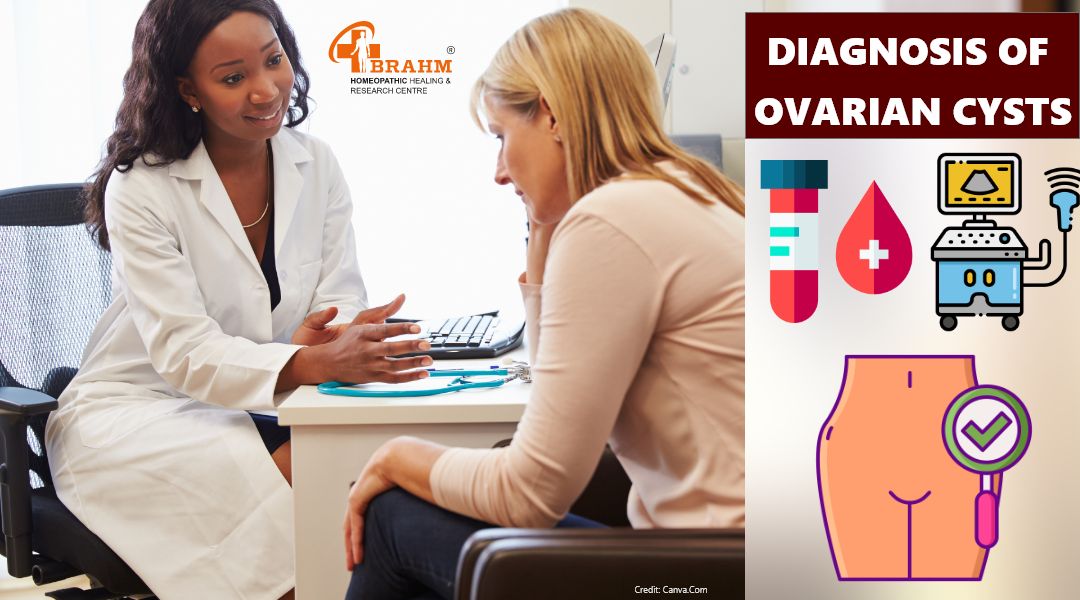
Diagnosis of Ovarian Cysts:
• Pelvic examination: Healthcare provider may detect cyst during physical exam.
• Ultrasound: Primary imaging tool for detecting and evaluating cysts.
• Blood tests: Hormonal or tumor marker tests may be ordered to determine cyst type or rule out ovarian cancer.
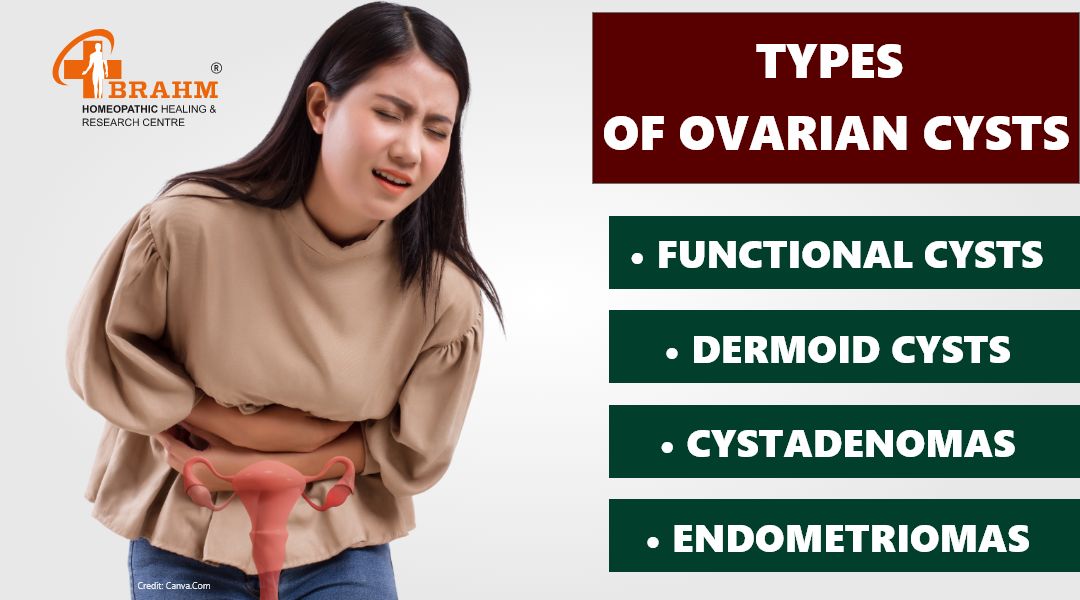
Types of Ovarian Cysts:
• Functional cysts: Develop during menstrual cycle and resolve independently.
• Dermoid cysts: Contain various tissue types like hair, teeth, or skin.
• Cystadenomas: Fluid-filled cysts, benign or malignant.
• Endometriomas: Ovarian cysts associated with endometriosis, filled with old blood.
Adverse Effects of Ovarian Cysts:
• Ovarian torsion: Large or twisting cysts can cut off blood supply to the ovary.
• Rupture: Severe abdominal pain and internal bleeding can occur.
• Infertility: Some cysts can contribute to fertility issues during pregnancy.
• Ovarian cancer: Some types may increase the risk of ovarian cancer.

Diet in Ovarian Cysts:
• Reduce refined carbohydrates and sugars to prevent hormonal imbalances.
• Increase fiber-rich foods like fruits, vegetables, and whole grains for regular bowel movements and reduced estrogen levels.
• Include omega-3 fatty acids like fatty fish and nuts to reduce inflammation.
• Stay hydrated to reduce bloating and discomfort.
• Manage stress, maintain a healthy weight, and avoid smoking to reduce risk of ovarian cyst development.
इलाज शुरू करने के लिए तैयार हैं?
डॉ. प्रदीप कुशवाहा से परामर्श बुक करें — ऑनलाइन या क्लीनिक पर।

forumComments
अभी तक कोई कमेंट नहीं — पहला आप कीजिए।