
Prostate Enlargement?
 Dr. Pradeep Kushwaha, M.D.
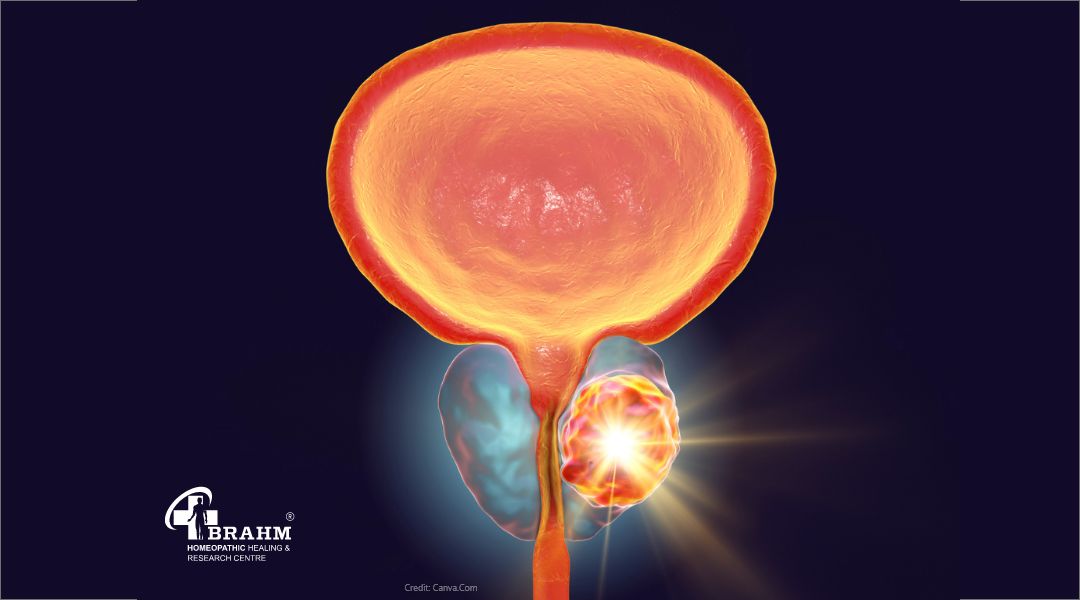
What is Benign Prostate Enlargement?
Benign prostatic hyperplasia (BPH), or benign prostate enlargement, is a non-cancerous condition in which the prostate gland becomes enlarged, causing compression of the urethra – the tube that carries urine from the bladder out of the body. BPH is a common condition affecting older men and can lead to various urinary symptoms.
Causes of Benign Prostate Enlargement
• Age: Increased risk due to larger prostate gland growth, especially after 50.
• Hormonal Changes: Hormonal imbalances, especially testosterone-estrogen imbalance, stimulate prostate growth.
• Genetics: Men with a family history of BPH are more likely to develop the condition.
• Lifestyle Factors: Obesity, lack of physical activity, and high-fat diet increase BPH risk.
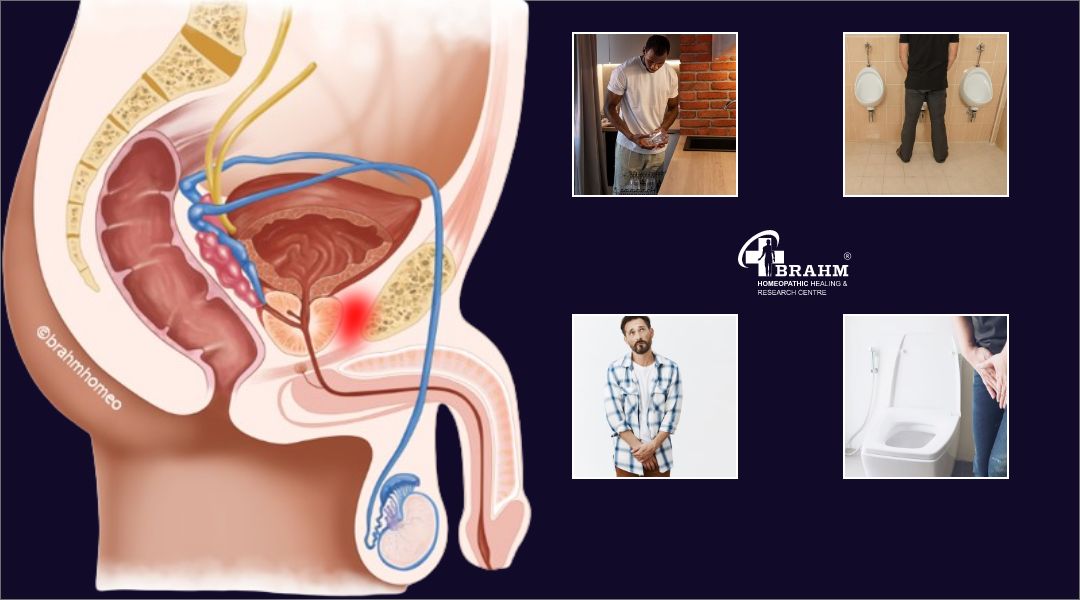
Symptoms of Benign Prostate Enlargement
• Frequent urination, especially at night.
• Difficulty starting urination due to hesitancy or strain.
• Weak or interrupted urine stream.
• Incomplete bladder emptying sensation.
• Urinary urgency: sudden, intense urge to urinate.

• Medical history and physical examination: Doctors perform digital rectal exam to assess prostate size and condition.
• Prostate-specific antigen (PSA) test: Blood test measures PSA levels, indicating BPH or other prostate conditions.
• Weak or interrupted urine stream.
• Incomplete bladder emptying sensation.
• Urinary urgency: sudden, intense urge to urinate.
Diagnosis of Benign Prostate Enlargement
• Medical history and physical examination: Doctors perform digital rectal exam to assess prostate size and condition.
• Prostate-specific antigen (PSA) test: Blood test measures PSA levels, indicating BPH or other prostate conditions.
• Urinalysis: Checks for infection or abnormalities.
• Imaging tests: Ultrasound or cystoscopy may be performed to assess prostate size and rule out other conditions.
• Mild BPH: Mild urinary symptoms not requiring immediate treatment.
• Moderate BPH: More pronounced symptoms affecting quality of life.
• Severe BPH: Significant symptoms requiring prompt treatment.
• Increases risk of urinary tract infections (UTIs).
• Leads to bladder stones due to stagnant urine.
• Causes acute urinary retention, a medical emergency.
• Prolonged obstruction can cause kidney damage or failure.
• Limit caffeine and alcohol to prevent bladder irritation and urinary symptoms.
• Increase fluid intake to flush out the urinary tract and reduce infection risk.
• Consume a diet rich in fruits and vegetables for antioxidants and prostate health support.
• Consider supplements like saw palmetto, beta-sitosterol, and pumpkin seed oil for symptom alleviation.
• Maintain a healthy weight through a balanced diet and regular exercise.
• Consult with a healthcare professional for an appropriate treatment plan.
• Imaging tests: Ultrasound or cystoscopy may be performed to assess prostate size and rule out other conditions.
Types of Benign Prostate Enlargement
• Mild BPH: Mild urinary symptoms not requiring immediate treatment.
• Moderate BPH: More pronounced symptoms affecting quality of life.
• Severe BPH: Significant symptoms requiring prompt treatment.
Adverse Effects of Benign Prostate Enlargement
• Increases risk of urinary tract infections (UTIs).
• Leads to bladder stones due to stagnant urine.
• Causes acute urinary retention, a medical emergency.
• Prolonged obstruction can cause kidney damage or failure.
Diet in Benign Prostate Enlargement
• Limit caffeine and alcohol to prevent bladder irritation and urinary symptoms.
• Increase fluid intake to flush out the urinary tract and reduce infection risk.
• Consume a diet rich in fruits and vegetables for antioxidants and prostate health support.
• Consider supplements like saw palmetto, beta-sitosterol, and pumpkin seed oil for symptom alleviation.
• Maintain a healthy weight through a balanced diet and regular exercise.
• Consult with a healthcare professional for an appropriate treatment plan.
इलाज शुरू करने के लिए तैयार हैं?
डॉ. प्रदीप कुशवाहा से परामर्श बुक करें — ऑनलाइन या क्लीनिक पर।

forumComments
अभी तक कोई कमेंट नहीं — पहला आप कीजिए।