
acidity
 Dr. Pradeep Kushwaha, M.D.

What is Acidity?
Acidity, also known as acid reflux or gastroesophageal reflux disease (GERD), is a condition in which the stomach acid flows back into the esophagus, causing a burning sensation in the chest or throat. This occurs when the lower esophageal sphincter (LES), a ring of muscle that separates the esophagus from the stomach, fails to close properly, allowing stomach acid to leak upwards.
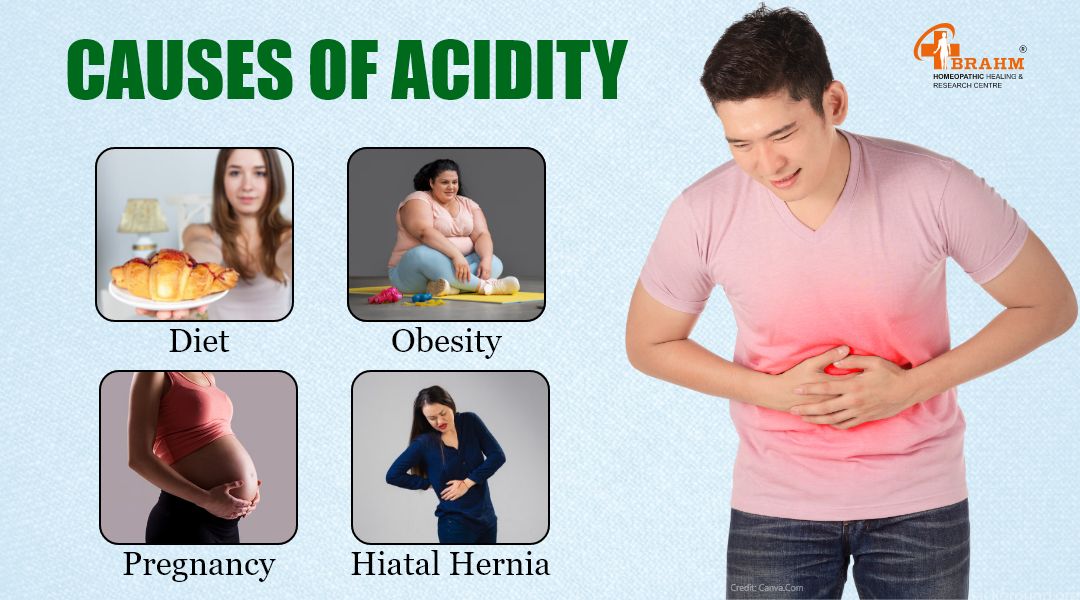
Causes of Acidity
• Diet: Consuming spicy, fatty, or acidic foods can trigger acid reflux.
• Obesity: Excess weight can push stomach acid upwards.
• Pregnancy: Hormonal changes and growing baby can cause stomach pressure.
• Hiatal hernia: Protrusion of stomach through diaphragm facilitates acid flow back into esophagus.
• Medications: NSAIDs can irritate stomach lining and increase acid production.
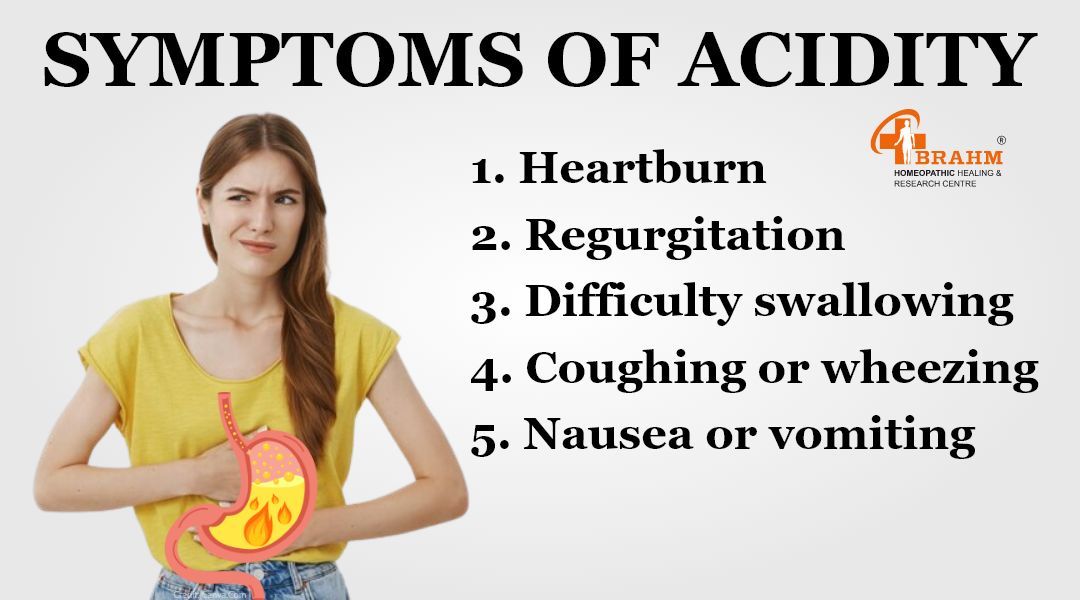
• Heartburn: Burning sensation in chest or throat.
• Regurgitation: Mouth sour or bitter taste due to stomach acid backflow.
• Difficulty swallowing: Acid irritates esophagus, making swallowing painful.
• Coughing or wheezing: Acid reflux into lungs causes respiratory issues
. • Nausea or vomiting: Severe cases can cause nausea or vomiting.

• Medical history and physical examination.
• pH monitoring using a sensor in the esophagus.
• Endoscopy to examine lining and detect damage.
• Barium swallow test to check for structural abnormalities.

• Occasional or intermittent acidity: Infrequent episodes related to diet or lifestyle.
• Chronic or persistent acidity: Frequent or ongoing acid reflux over two weeks.
• Erosive esophagitis: Severe, prolonged acid reflux causing esophagus lining damage.
• Esophageal damage: Prolonged exposure to stomach acid can cause inflammation, ulcers, and scarring.
• Barrett's esophagus: A pretumorous condition causing changes in esophagus lining, increasing esophageal tumor risk.
• Respiratory complications: Acid reflux can irritate lungs and airways, leading to conditions like asthma, bronchitis, or pneumonia.
• Tooth erosion: Frequent exposure to stomach acid can increase tooth decay and sensitivity.
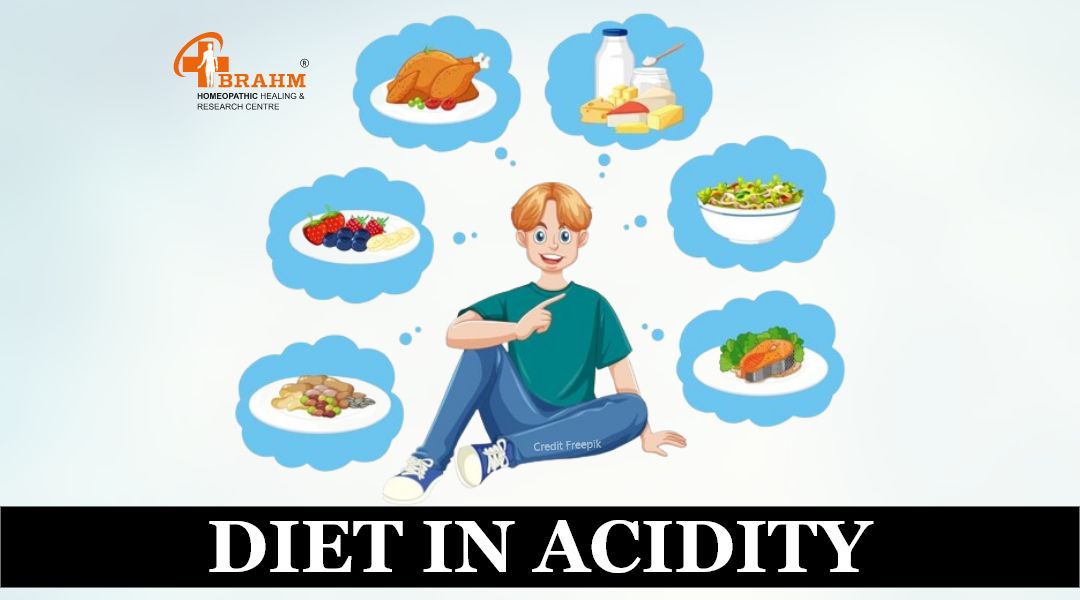
Acid Reflux Management Recommendations
• Avoid trigger foods: Avoid spicy, fatty, acidic, and fried foods, alcohol, and caffeine.
• Eat smaller, frequent meals: Large meals can increase acid reflux risk.
• Avoid lying down: Stand upright for 2-3 hours after meals for proper digestion.
• Pregnancy: Hormonal changes and growing baby can cause stomach pressure.
• Hiatal hernia: Protrusion of stomach through diaphragm facilitates acid flow back into esophagus.
• Medications: NSAIDs can irritate stomach lining and increase acid production.
Symptoms of Acidity
• Heartburn: Burning sensation in chest or throat.
• Regurgitation: Mouth sour or bitter taste due to stomach acid backflow.
• Difficulty swallowing: Acid irritates esophagus, making swallowing painful.
• Coughing or wheezing: Acid reflux into lungs causes respiratory issues
. • Nausea or vomiting: Severe cases can cause nausea or vomiting.
Diagnosis of Acidity
• Medical history and physical examination.
• pH monitoring using a sensor in the esophagus.
• Endoscopy to examine lining and detect damage.
• Barium swallow test to check for structural abnormalities.
Types of Acidity
• Occasional or intermittent acidity: Infrequent episodes related to diet or lifestyle.
• Chronic or persistent acidity: Frequent or ongoing acid reflux over two weeks.
• Erosive esophagitis: Severe, prolonged acid reflux causing esophagus lining damage.
Adverse Effects of Acidity
• Esophageal damage: Prolonged exposure to stomach acid can cause inflammation, ulcers, and scarring.
• Barrett's esophagus: A pretumorous condition causing changes in esophagus lining, increasing esophageal tumor risk.
• Respiratory complications: Acid reflux can irritate lungs and airways, leading to conditions like asthma, bronchitis, or pneumonia.
• Tooth erosion: Frequent exposure to stomach acid can increase tooth decay and sensitivity.
Diet in Acidity
Acid Reflux Management Recommendations
• Avoid trigger foods: Avoid spicy, fatty, acidic, and fried foods, alcohol, and caffeine.
• Eat smaller, frequent meals: Large meals can increase acid reflux risk.
• Avoid lying down: Stand upright for 2-3 hours after meals for proper digestion.
• Increase intake of high-fiber foods: Consume fruits, vegetables, and whole grains to neutralize stomach acid.
• Stay hydrated: Drink plenty of water to dilute stomach acid.
• Consider probiotic-rich foods: Consume fermented foods like yogurt and kefir for gut health improvement.
• Consult with a healthcare professional for additional treatment options.
• Consult with a healthcare professional for additional treatment options.
इलाज शुरू करने के लिए तैयार हैं?
डॉ. प्रदीप कुशवाहा से परामर्श बुक करें — ऑनलाइन या क्लीनिक पर।

forumComments
अभी तक कोई कमेंट नहीं — पहला आप कीजिए।