
best vitiligo treatment
 Dr. Pradeep Kushwaha, M.D.
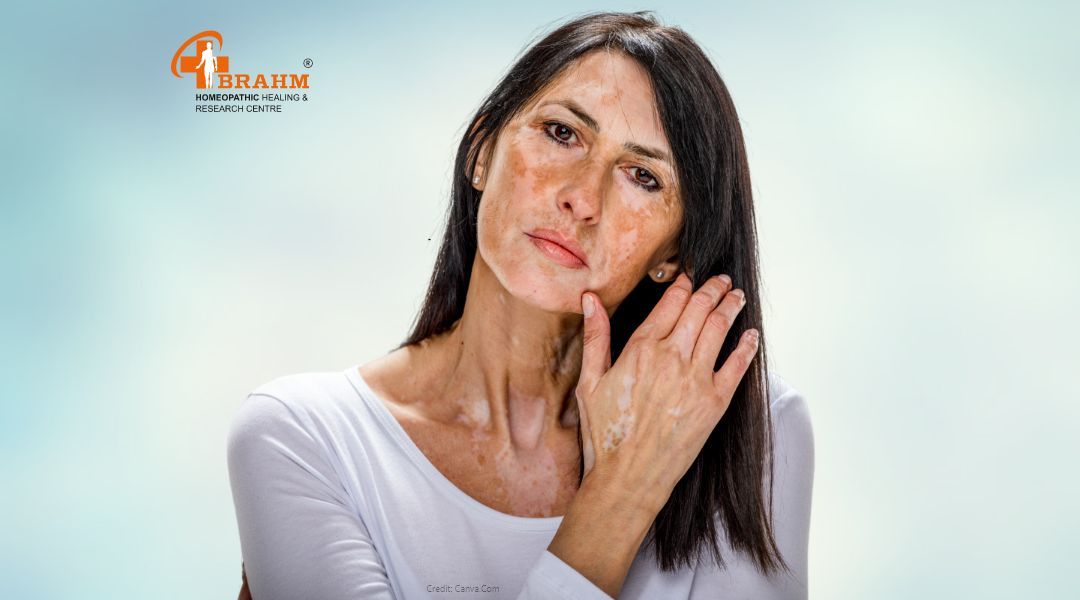
What is Vitiligo?
Vitiligo is a chronic autoimmune skin disorder characterized by the loss of pigmentation, resulting in irregular white patches on the skin. It occurs when the melanocytes, the cells responsible for producing melanin (the pigment that gives color to the skin, hair, and eyes), are destroyed or become inactive.
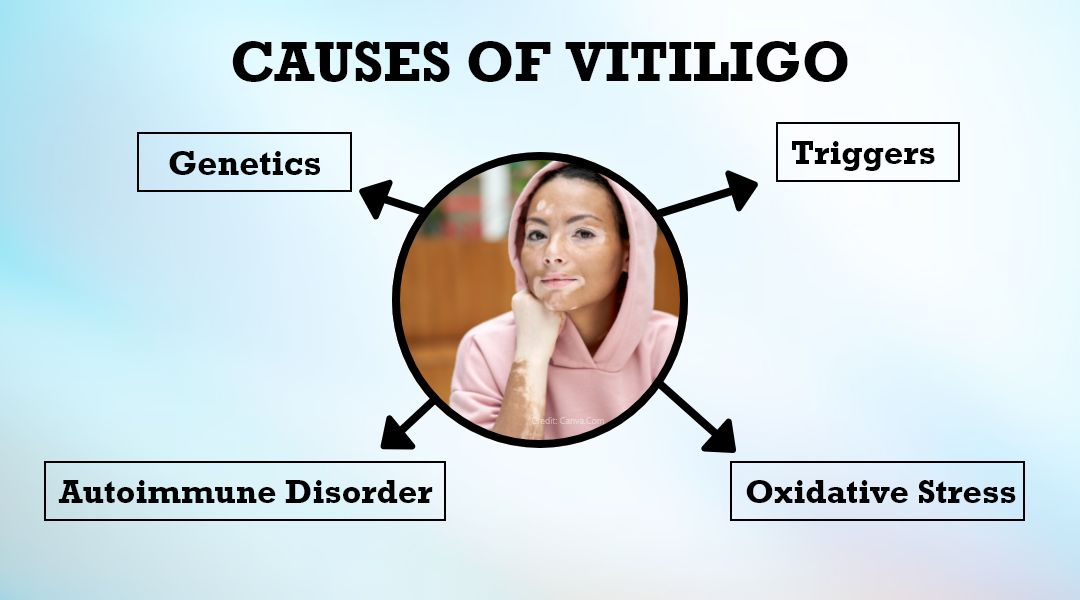
Causes of Vitiligo:
• Autoimmune Disorder: The immune system mistakenly attacks and destroys melanocytes, causing pigmentation loss.
• Genetics: Individuals with a family history of vitiligo have a higher risk.
• Oxidative Stress: Increased levels of oxidative stress may contribute to melanocyte destruction.
• Triggers: Events like sunburn, skin injuries, or emotional stress can trigger vitiligo onset or progression.
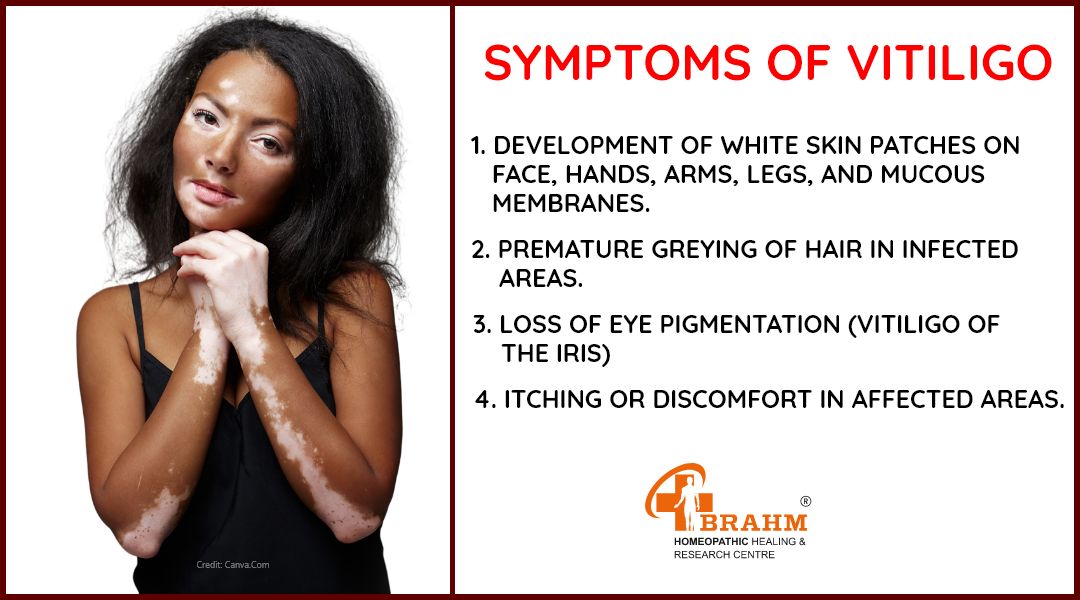
• Development of white skin patches on face, hands, arms, legs, and mucous membranes.
• Premature greying of hair in infected areas.
• Loss of eye pigmentation (vitiligo of the iris).
• Itching or discomfort in affected areas.
• Physical examination by dermatologist.
• Gathering medical history including family history, triggers, and symptoms.
• Wood's lamp examination using ultraviolet light to highlight depigmented areas.
• Non-segmental vitiligo: Common form with symmetrical white patches on both body sides.
• Segmental vitiligo: White patches on specific body segments following nerve distribution.
• Focal vitiligo: Small, isolated white patch.
• Mucosal vitiligo: Loss of pigmentation in mucous membranes.
Vitiligo Impacts
• Low self-esteem and social stigma.
• Emotional distress, anxiety, depression.
• Increased risk of sunburn and skin damage.
• Potential vision problems if the iris is affected.

• Increase intake of antioxidant-rich foods: Consume fruits, vegetables, and berries to reduce oxidative stress.
• Include foods rich in copper: Consume nuts, seeds, whole grains, and legumes for melanin production.
• Stay hydrated: Drink plenty of water to develop skin health.
• Consider supplements: Consider vitamin B12, folate, and vitamin C supplements, but consult a healthcare professional. • Diet alone cannot cure vitiligo but can complement medical treatment.
• Oxidative Stress: Increased levels of oxidative stress may contribute to melanocyte destruction.
• Triggers: Events like sunburn, skin injuries, or emotional stress can trigger vitiligo onset or progression.
Symptoms of Vitiligo:
• Development of white skin patches on face, hands, arms, legs, and mucous membranes.
• Premature greying of hair in infected areas.
• Loss of eye pigmentation (vitiligo of the iris).
• Itching or discomfort in affected areas.
Diagnosis of Vitiligo:
• Physical examination by dermatologist.
• Gathering medical history including family history, triggers, and symptoms.
• Wood's lamp examination using ultraviolet light to highlight depigmented areas.
Types of Vitiligo:
• Non-segmental vitiligo: Common form with symmetrical white patches on both body sides.
• Segmental vitiligo: White patches on specific body segments following nerve distribution.
• Focal vitiligo: Small, isolated white patch.
• Mucosal vitiligo: Loss of pigmentation in mucous membranes.
Adverse Effects of Vitiligo:
Vitiligo Impacts
• Low self-esteem and social stigma.
• Emotional distress, anxiety, depression.
• Increased risk of sunburn and skin damage.
• Potential vision problems if the iris is affected.
Diet in Vitiligo:
• Increase intake of antioxidant-rich foods: Consume fruits, vegetables, and berries to reduce oxidative stress.
• Include foods rich in copper: Consume nuts, seeds, whole grains, and legumes for melanin production.
• Stay hydrated: Drink plenty of water to develop skin health.
• Consider supplements: Consider vitamin B12, folate, and vitamin C supplements, but consult a healthcare professional. • Diet alone cannot cure vitiligo but can complement medical treatment.
इलाज शुरू करने के लिए तैयार हैं?
डॉ. प्रदीप कुशवाहा से परामर्श बुक करें — ऑनलाइन या क्लीनिक पर।

forumComments
अभी तक कोई कमेंट नहीं — पहला आप कीजिए।