
gallstones
 Dr. Pradeep Kushwaha, M.D.
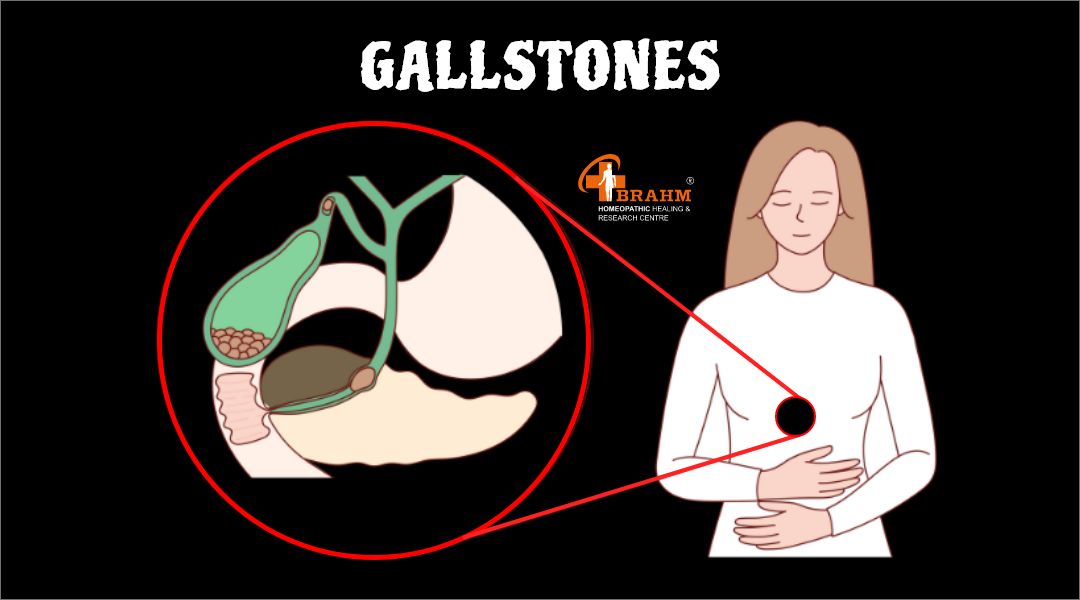
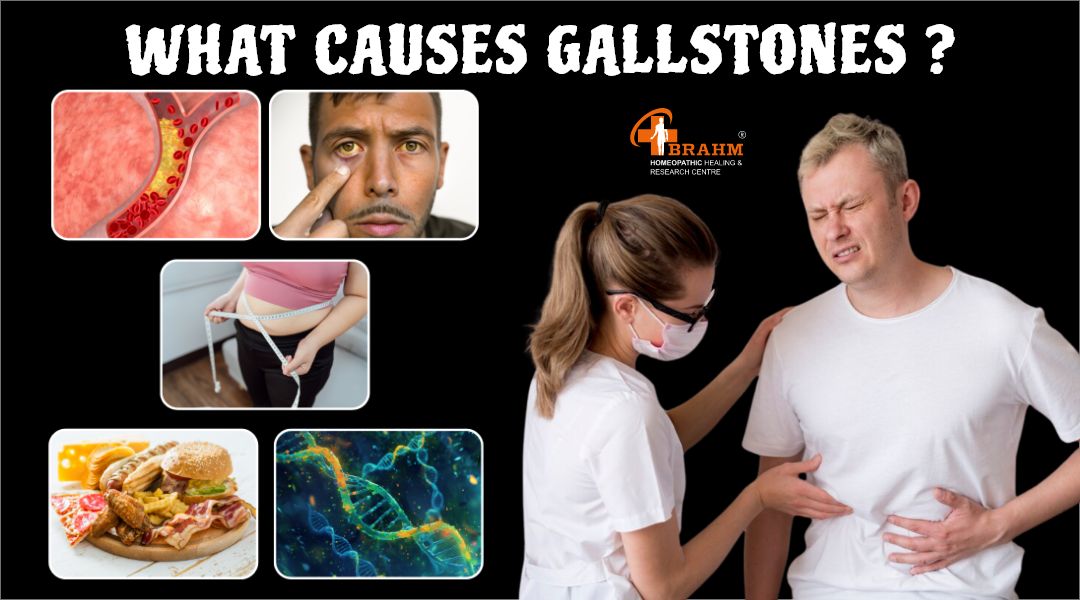
1) What causes gallstones?
Gallstones form when there is an imbalance in the substances that make up bile – a digestive fluid produced by the liver and stored in the gallbladder.
-When bile contains too much cholesterol, bilirubin, when the gallbladder does not empty properly, stones can form.
- Risk factors for gallstones include rapid weight loss, obesity, age, and certain medical conditions.
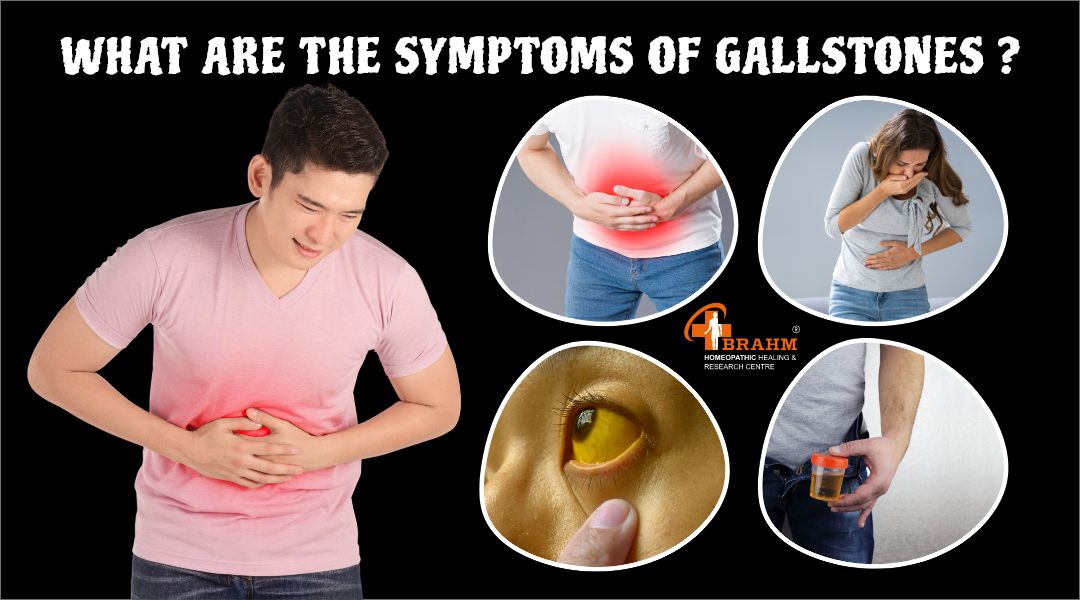
2) What are the symptoms of gallstones?
While many people with gallstones may have no symptoms, others may have symptoms such as:
- Nausea
- Vomiting
- Vomiting
- Bloating
- Indigestion
For patients who do not have severe symptoms or complications, non-procedural methods are considered.
- Indigestion
3) What are the non-procedural treatments for gallstones?
For patients who do not have severe symptoms or complications, non-procedural methods are considered.
1. Dietary changes
The first step in managing gallstones is to adopt a healthy diet. A diet rich in fiber, fresh fruits, vegetables, and whole grains is recommended. Eating more frequent meals may help the gallbladder work more efficiently.
2. Watchful waiting
If gallstones are not causing any symptoms, the doctor may suggest waiting. Regular monitoring ensures that any changes or developments are addressed promptly, while avoiding unnecessary treatment in asymptomatic cases.
2. Watchful waiting
If gallstones are not causing any symptoms, the doctor may suggest waiting. Regular monitoring ensures that any changes or developments are addressed promptly, while avoiding unnecessary treatment in asymptomatic cases.
3) What is the procedural treatment for gallstones?
When gallstones cause frequent or severe symptoms, procedure is required.
- Gallbladder removal The most common procedural treatment for gallstones is the removal of the gallbladder. This procedure is known as cholecystectomy. - It can be performed in two ways:
1) Laparoscopic procedure 2) Open procedure
When gallstones cause frequent or severe symptoms, procedure is required.
- Gallbladder removal The most common procedural treatment for gallstones is the removal of the gallbladder. This procedure is known as cholecystectomy. - It can be performed in two ways:
1) Laparoscopic procedure 2) Open procedure
Laparoscopic procedure: This procedure involves making small incisions in the abdomen to remove the gallbladder. It is usually less painful and requires a shorter hospital stay .
Open Procedure: Open procedure is performed when laparoscopic procedure is not possible. It involves a larger incision and a longer recovery period. - Only after the gallbladder is removed can bile flow directly from the liver to the small intestine. Most people can live healthy lives without a gallbladder.
Conclusion
Gallstones are digestive problems that can range from harmless to extremely painful. While dietary changes and careful monitoring may be effective in mild cases, procedural removal of the gallbladder is the most definitive treatment for symptomatic gallstones.
इलाज शुरू करने के लिए तैयार हैं?
डॉ. प्रदीप कुशवाहा से परामर्श बुक करें — ऑनलाइन या क्लीनिक पर।

forumComments
अभी तक कोई कमेंट नहीं — पहला आप कीजिए।