
kidney failure treatment in homeopathic
 Dr. Pradeep Kushwaha, M.D.

What is Kidney Failure?
Kidney failure, also known as end-stage renal disease (ESRD), is a condition in which the kidneys are unable to filter waste products and excess water from the blood effectively. This can lead to a buildup of waste and fluid in the body, causing various health complications.
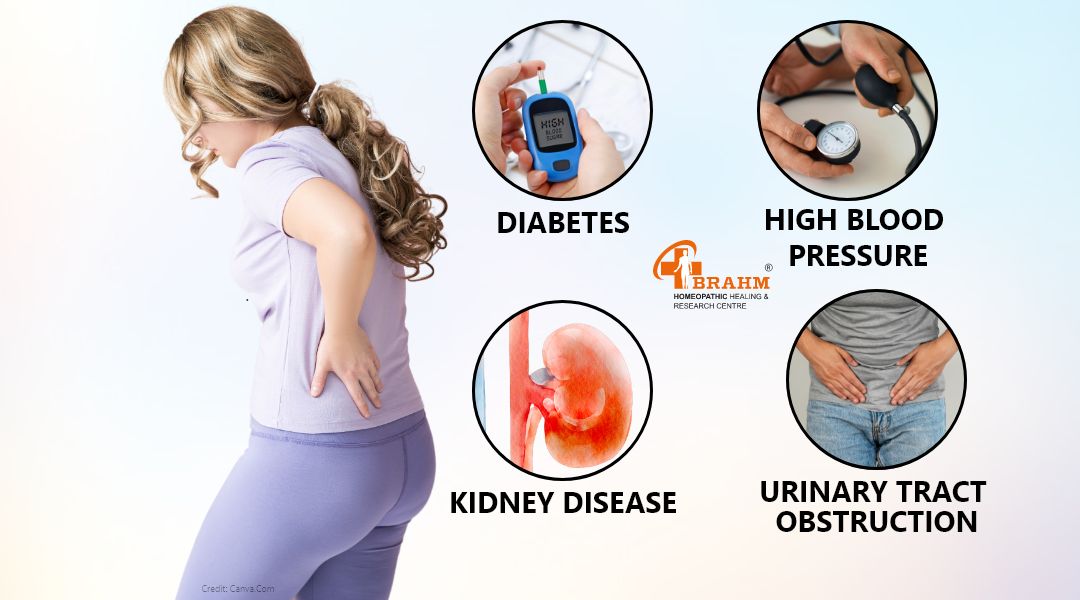
Causes of Kidney Failure:
-Causes of Kidney Failure
• Diabetes: Uncontrolled high blood sugar levels can damage kidneys over time
. • High Blood Pressure: Hypertension can damage kidney's tiny blood vessels, leading to kidney failure.
• Glomerulonephritis: Inflammation of kidney's filtering units, caused by autoimmune disorders or infections.
• Polycystic Kidney Disease: An inherited condition characterized by the growth of cysts in the kidneys, leading to kidney damage
. • Urinary Tract Obstruction: Conditions like kidney stones, tumors, or enlarged prostate can block urine flow, causing kidney damage.
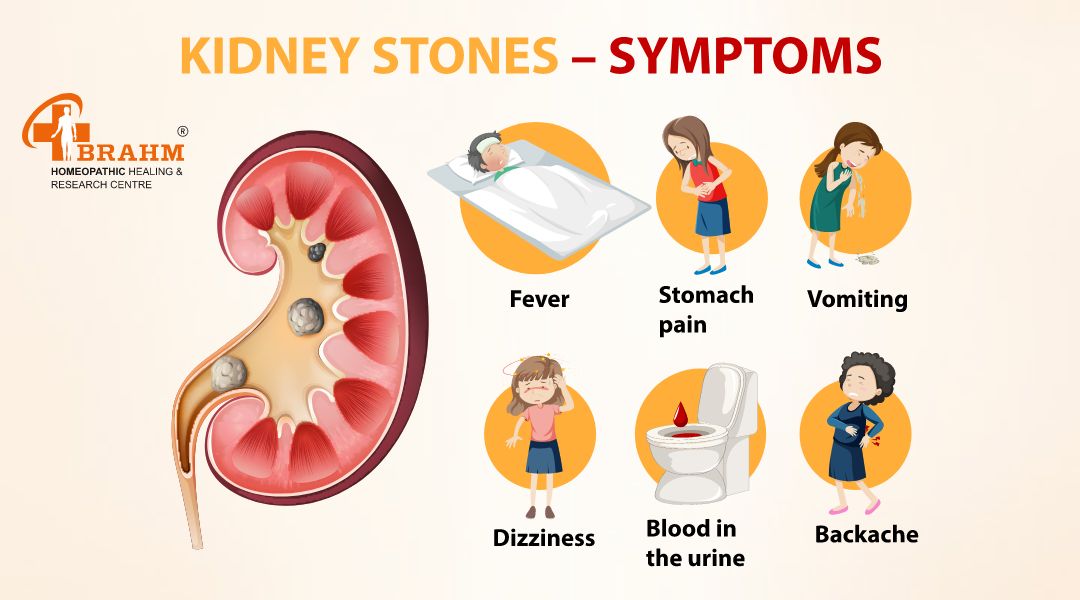
Symptoms of Kidney Failure:
• Fatigue and weakness.
• Nausea and vomiting.
• Loss of appetite.
• Swollen legs, ankles, feet.
• Difficulty concentrating.
• Foamy or bloody urine.
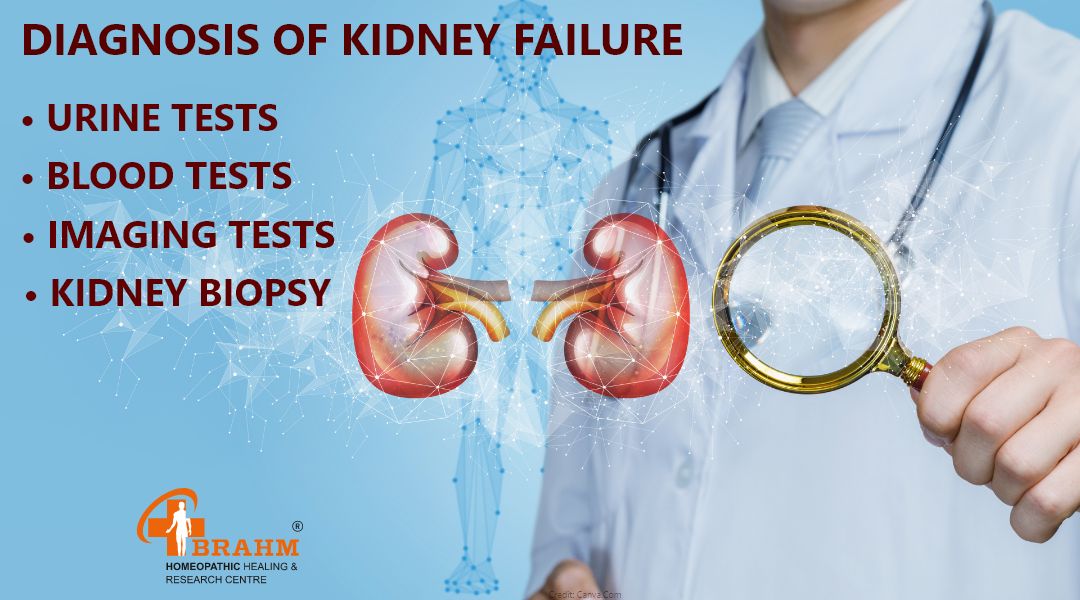
• Blood tests: Measure creatinine and urea levels to indicate kidney function.
• Urine tests: Analyze protein or blood in urine to detect kidney damage.
• Imaging tests: Ultrasound, CT scans, or MRI provide detailed images of kidneys and urinary tract.
Diagnosis of Kidney Failure:
• Blood tests: Measure creatinine and urea levels to indicate kidney function.
• Urine tests: Analyze protein or blood in urine to detect kidney damage.
• Imaging tests: Ultrasound, CT scans, or MRI provide detailed images of kidneys and urinary tract.
• Kidney biopsy: Take a small sample of kidney tissue for examination under a microscope.
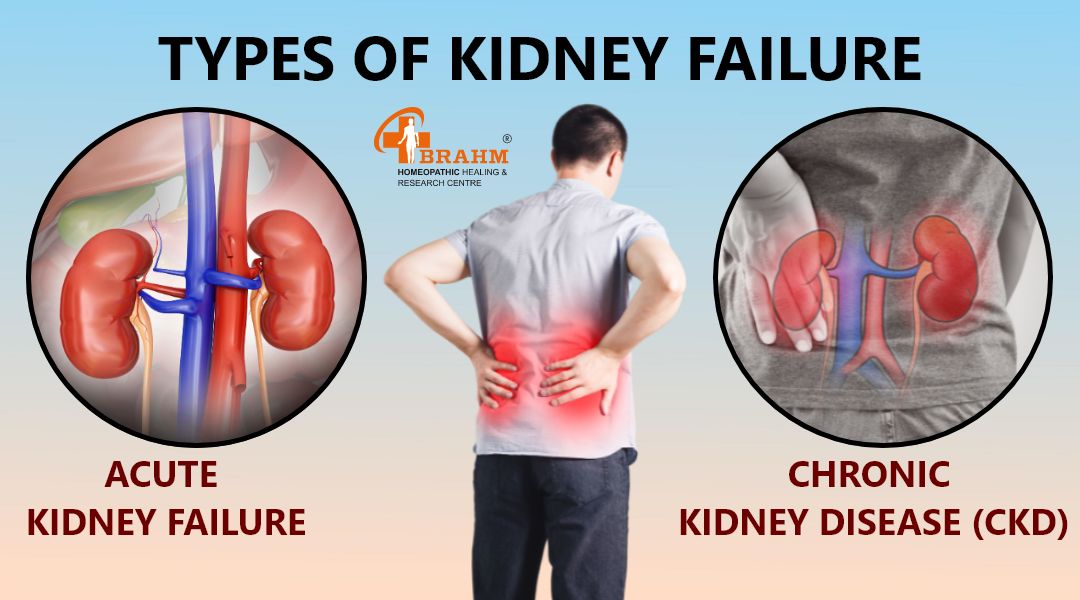
• Acute kidney failure: sudden loss of kidney function due to injury, infection, or urinary tract blockage.
• Chronic kidney disease (CKD): gradual, progressive loss of kidney function over months or years.
• Fluid retention and swelling.
• High blood pressure.
• Anemia.
• Bone disease and fractures.
• Nerve damage.
• Heart disease.
• Seizures and coma in severe cases.

• Limit protein intake to prevent overwork and waste buildup.
• Restrict sodium and fluids to control fluid retention and swelling.
• Limit potassium and phosphorus to prevent blood complications
. • Increase high-calorie foods intake to prevent malnutrition
. • Consider dialysis or kidney transplant for improved quality of life.
Types of Kidney Failure:
• Acute kidney failure: sudden loss of kidney function due to injury, infection, or urinary tract blockage.
• Chronic kidney disease (CKD): gradual, progressive loss of kidney function over months or years.
Adverse Effects of Kidney Failure:
• Fluid retention and swelling.
• High blood pressure.
• Anemia.
• Bone disease and fractures.
• Nerve damage.
• Heart disease.
• Seizures and coma in severe cases.
Diet in Kidney Failure:
• Limit protein intake to prevent overwork and waste buildup.
• Restrict sodium and fluids to control fluid retention and swelling.
• Limit potassium and phosphorus to prevent blood complications
. • Increase high-calorie foods intake to prevent malnutrition
. • Consider dialysis or kidney transplant for improved quality of life.
इलाज शुरू करने के लिए तैयार हैं?
डॉ. प्रदीप कुशवाहा से परामर्श बुक करें — ऑनलाइन या क्लीनिक पर।

forumComments
अभी तक कोई कमेंट नहीं — पहला आप कीजिए।