
malaria treatment in homeopathy
 Dr. Pradeep Kushwaha, M.D.
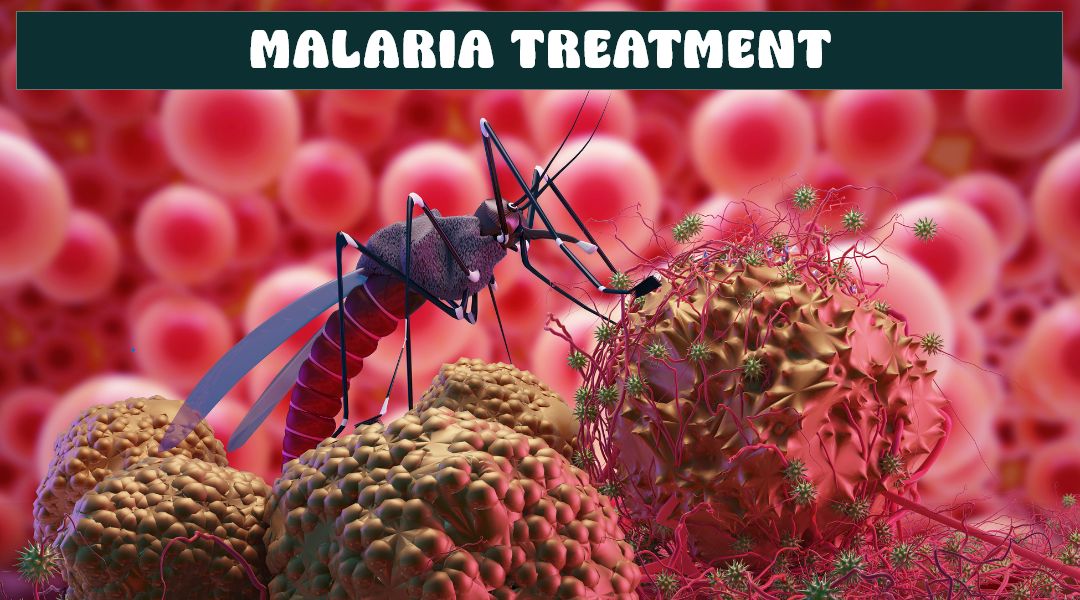
Malaria Treatment: A Comprehensive Guide
Malaria is a life-threatening disease caused by Plasmodium parasites, which are transmitted by the bite of infected Anopheles mosquitoes. It remains a significant global health concern, especially in tropical and subtropical regions. Effective treatment of malaria depends on timely diagnosis, the type of malaria parasite, and the health status of the patient.
-This article explores available treatment options, drug resistance challenges, and future developments in malaria treatment.
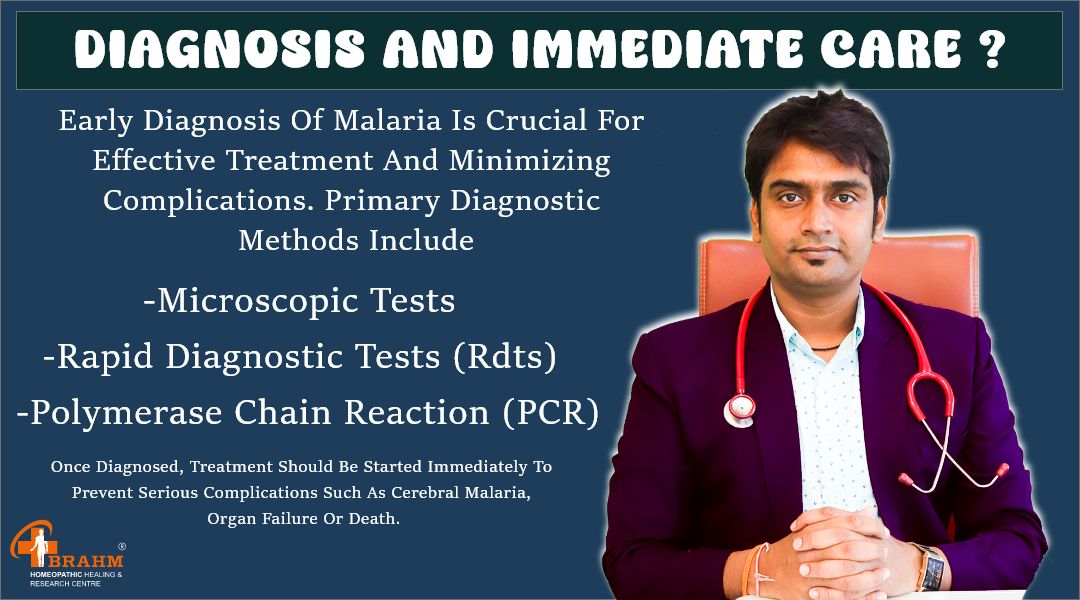
Early diagnosis of malaria is crucial for effective treatment and minimizing complications. Primary diagnostic methods include:
-Microscopic tests: Blood smears are examined under a microscope to detect malaria parasites.
The treatment regimen depends on the malaria species involved, the severity of the infection and possible drug resistance. The WHO recommends based combination therapy (ACT) as first-line treatment for uncomplicated malaria.
Severe malaria is a medical emergency requiring hospitalization. Intravenous or intramuscular artesunate is preferred for severe cases. Patients receiving artesunate should subsequently transition to a full course of ACT to completely clear the parasite. If artesunate is not available, intravenous quinine can be used, although it has more side effects.
Cases of severe malaria may require additional supportive treatment, such as:
-Fluid replacement: to prevent dehydration and maintain blood pressure.
-Blood transfusion: in cases of severe anemia due to malaria.
-Anticonvulsants: for patients experiencing seizures due to cerebral malaria.
-Oxygen therapy: to manage respiratory distress.
-Access to medicines
While treatment is essential, prevention remains the most effective strategy against malaria. Preventive measures include:
- Insecticide treated mosquito nets (ITNs): Reduces mosquito bites and malaria infection.
- Indoor residual spraying (IRS): Kills mosquitoes resting indoors.
- Antimalarial prophylaxis: Used for travellers or people living in high-risk areas.
Recent advances have led to the development of malaria vaccines, which provide protection against malaria, especially in young children,
1. Diagnosis and Immediate Care?
Early diagnosis of malaria is crucial for effective treatment and minimizing complications. Primary diagnostic methods include:
-Microscopic tests: Blood smears are examined under a microscope to detect malaria parasites.
-Rapid diagnostic tests (RDTs): These tests detect malaria antigens and are useful in remote areas lacking laboratory facilities.
-Polymerase chain reaction (PCR): This highly sensitive method detects low parasite levels but is mainly used in research settings.
Once diagnosed, treatment should be started immediately to prevent serious complications such as cerebral malaria, organ failure or death.
Once diagnosed, treatment should be started immediately to prevent serious complications such as cerebral malaria, organ failure or death.
First-line treatment options
The treatment regimen depends on the malaria species involved, the severity of the infection and possible drug resistance. The WHO recommends based combination therapy (ACT) as first-line treatment for uncomplicated malaria.
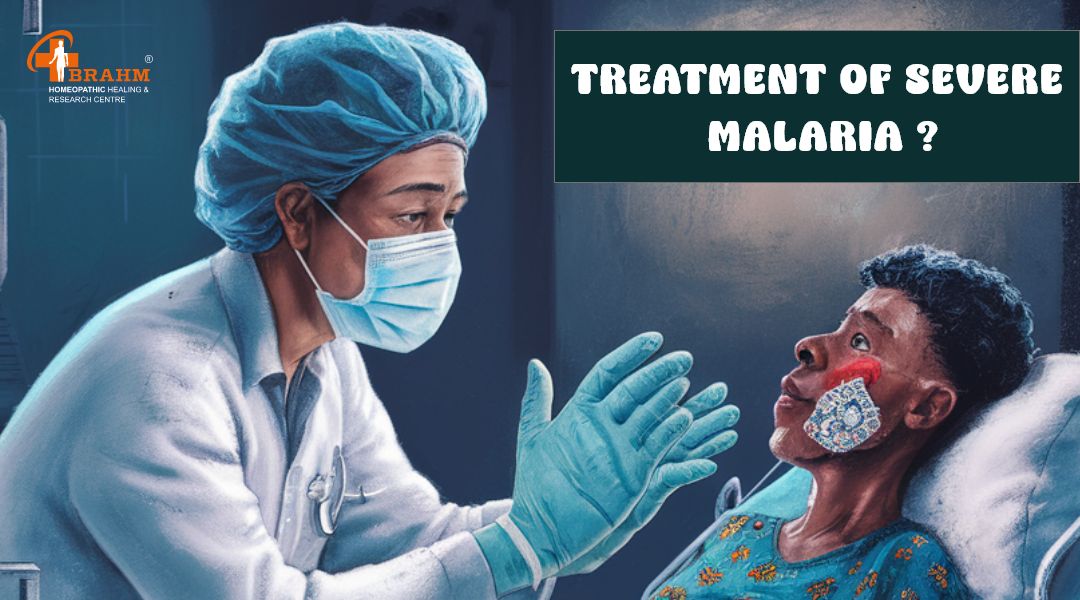
2) Treatment of severe malaria?
Severe malaria is a medical emergency requiring hospitalization. Intravenous or intramuscular artesunate is preferred for severe cases. Patients receiving artesunate should subsequently transition to a full course of ACT to completely clear the parasite. If artesunate is not available, intravenous quinine can be used, although it has more side effects.
Supportive care
Cases of severe malaria may require additional supportive treatment, such as:
-Fluid replacement: to prevent dehydration and maintain blood pressure.
-Blood transfusion: in cases of severe anemia due to malaria.
-Anticonvulsants: for patients experiencing seizures due to cerebral malaria.
-Oxygen therapy: to manage respiratory distress.
3) Challenges in malaria treatment?
-Access to medicines
In many malaria-endemic areas, access to quality medicines is limited due to economic constraints, weak healthcare infrastructure, and counterfeit medicines. Strengthening health systems and ensuring availability of ACT are critical for effective control of malaria.
4) Prevention and future treatments
While treatment is essential, prevention remains the most effective strategy against malaria. Preventive measures include:
- Insecticide treated mosquito nets (ITNs): Reduces mosquito bites and malaria infection.
- Indoor residual spraying (IRS): Kills mosquitoes resting indoors.
- Antimalarial prophylaxis: Used for travellers or people living in high-risk areas.
Vaccine development
Recent advances have led to the development of malaria vaccines, which provide protection against malaria, especially in young children,
इलाज शुरू करने के लिए तैयार हैं?
डॉ. प्रदीप कुशवाहा से परामर्श बुक करें — ऑनलाइन या क्लीनिक पर।

forumComments
अभी तक कोई कमेंट नहीं — पहला आप कीजिए।